Hygiene Science
The 12 Germ Hotspots in Your Kitchen (Trash Lid Ranks Higher Than You Think)
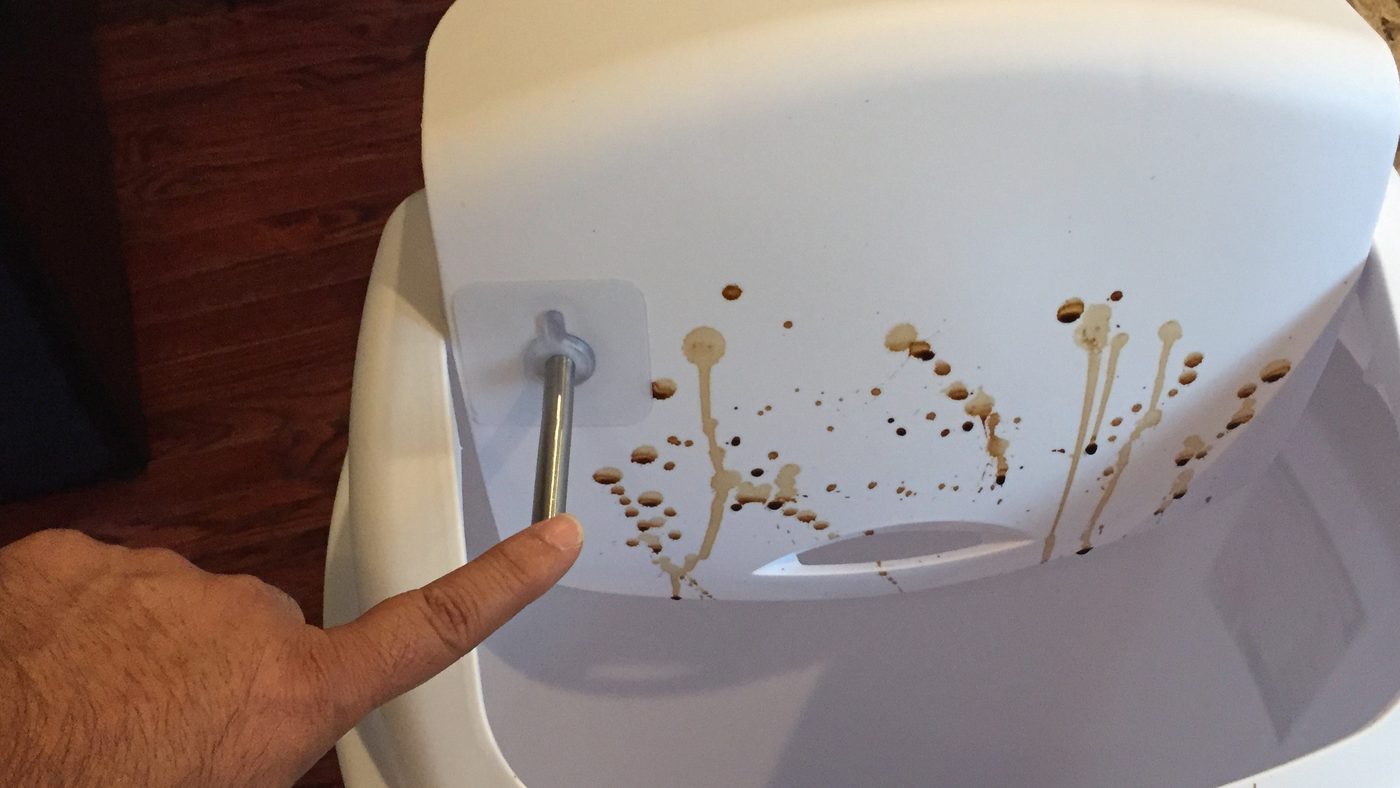
If someone asked you to list the dirtiest spots in your kitchen, you'd probably name the trash can, the floor near the trash can, and maybe the sponge. You'd be partially right and very incomplete. Microbial studies of household kitchens have produced some surprising rankings — some of the dirtiest surfaces are the ones you never think about, and some of the surfaces you assume are dirty are middle-of-the-pack at best.
Here's the actual top-12, drawn from peer-reviewed studies of domestic kitchen microbiology, in roughly descending order of contamination.
1. Kitchen sponges and dishcloths
The runaway champion. Kitchen sponges have been measured at 200,000 times more bacteria per square inch than a typical toilet seat. The constant moisture, the food residue, and the warm temperature make sponges essentially a bacterial growth medium that you're using to wipe everything. If you're going to fix one thing in your kitchen, microwave your sponge for two minutes every other day or replace it weekly.
2. Cutting boards (especially used for raw meat)
One study found chopping boards harbor more bacteria than toilet seats — by a wide margin. The cuts and grooves in the surface trap bacteria and resist surface-level cleaning. Wooden boards are slightly worse than plastic for this. Use separate boards for raw meat vs. produce, and replace them when the surface gets visibly worn.
3. Refrigerator door handles
S. aureus has been isolated from refrigerator door handles in 39% of homes tested. You touch this handle dozens of times a day, often with hands that just handled raw food. Wipe it with disinfectant once a week.
4. Faucet handles
The cruel irony of faucet handles is that you touch them with dirty hands to wash your hands. Then you touch them again with clean hands. Faucet handles are a major cross-contamination point — many studies have isolated E. coli, Salmonella, and other foodborne pathogens here. Touchless faucets are the easy fix; weekly disinfection is the cheaper fix.
5. Trash can lids and handles
Over 400 bacteria per square inch, including Salmonella, E. coli, S. aureus, and Listeria. The lid is touched many times a day with hands that just handled raw food, and it's almost never cleaned. The fix: stop touching it (SafeHandle, touchless can, or a foot pedal). Cleaning the lid weekly helps but doesn't address the underlying contact pattern.
6. Spice jar lids
This one was a surprise to researchers. A 2023 study of cross-contamination during meal prep found that spice jar lids tested positive for tracer bacteria 48% of the time — more than any other surface measured. The reason: people grab spice jars mid-cooking, with hands that have touched everything, and the lids are textured and rarely washed. Wipe spice lids with an alcohol wipe weekly.
7. Hand towels
The same logic as sponges. Damp + organic matter = bacterial growth. The towel that you use to dry "clean" hands accumulates bacteria from food prep, kid noses, and anything else that touches it. Wash hand towels every 2-3 days, and replace dish towels weekly.
8. Coffee maker reservoirs
Mold and yeast in the water reservoir is extremely common. Coffee makers create a damp, dark, organic environment perfect for fungal growth. Run vinegar through your coffee maker monthly, and let the reservoir dry out fully between uses if possible.
9. Knife handles
Less studied but consistently in the top tier. Knife handles get held throughout food prep and rarely washed thoroughly. The grip texture traps debris.
10. Sink basins and drains
The sink itself is a bacterial reservoir, especially around the drain. Food particles collect here, and the moisture keeps everything alive. A weekly disinfectant wipe-down of the basin and a monthly drain cleaning makes a measurable difference.
11. Salad drawers in refrigerators
Spilled vegetable juices, soil from produce, and forgotten old vegetables produce significant contamination. Empty and wipe down monthly.
12. Drip trays and refrigerator interiors
Refrigerator interiors range from 2.0 to 8.9 log CFU per 100 cm² depending on cleaning frequency. The drip tray catches everything that leaks. Quarterly deep clean.
The takeaway
Notice the pattern. The dirtiest spots are the ones that combine three factors: (1) frequent touch, (2) organic material as food source, and (3) infrequent cleaning. Sponges, cutting boards, handles, and lids all hit those three. Counters and floors get cleaned regularly so they tend to test better than people assume.
For the ones you can't easily clean every day — the trash lid being a perfect example — the most reliable fix is to stop touching them. Indirect-contact solutions (handles, pedals, sensors) consistently outperform "clean more often" plans, because clean-more-often plans depend on consistency that real human kitchens don't have.
Ready to stop touching your trash can lid?
Preorder SafeHandle — From $16.95Read next: Cross-Contamination 101: How Touching the Trash Spreads to Your Food · Elderly Hygiene: The Underrated Hazard of Trash Can Lids · More about our product