Product Comparison
SafeHandle vs. Touchless vs. Pedal: Which Solution Actually Works
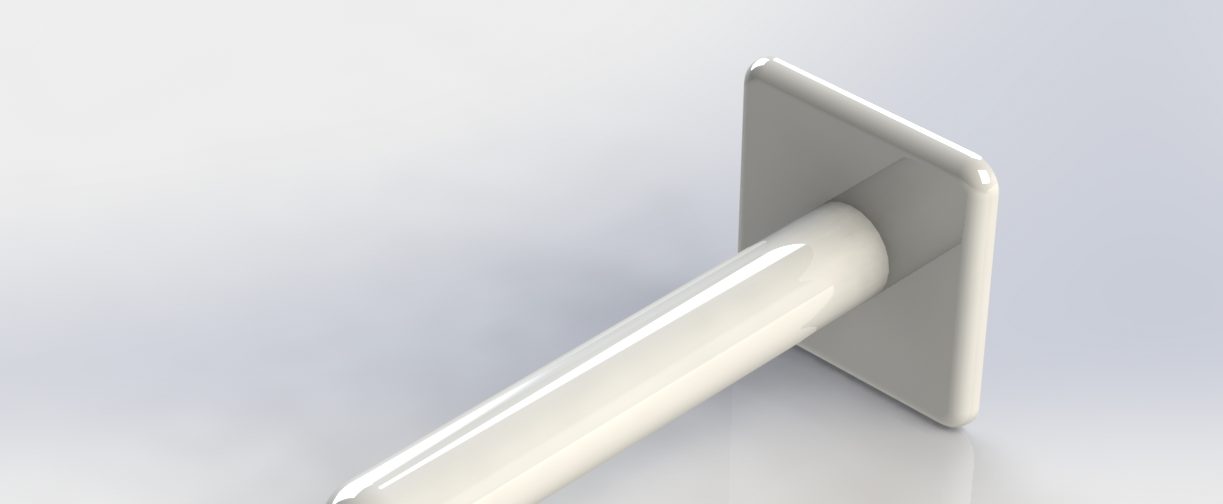
There are three main approaches to opening a trash can lid without touching it: pedal-driven (step on a foot pedal, the lid pops open), touchless (motion sensor opens the lid automatically), and stick-on handle (push a small handle that's not the lid itself). Each has tradeoffs. None is universally best.
Pedal cans
Pedal trash cans have a foot pedal connected to the lid via a hinge mechanism. Step on it, lid opens, release, lid closes. Common in higher-end home kitchens (simplehuman, Brabantia) and in many commercial settings.
Strengths: completely hands-free, no batteries, mechanical reliability is good, no maintenance. The pedal-and-hinge design has been around for over 50 years and is well-understood.
Weaknesses: more expensive than basic cans (usually $40-100), bulkier, the pedal mechanism eventually wears out (5-15 years depending on quality), heavier (harder to move for cleaning), incompatible with cans that don't have built-in pedals (you can't add a pedal to a basic can).
Best for: full kitchen replacements where you're willing to commit to a specific can size and design. Not great for: retrofitting existing cans, or for cans in places where stepping on a pedal is awkward (small bathrooms, behind doors, in offices).
Touchless (motion sensor) cans
Touchless cans have an infrared sensor that detects when your hand approaches the top, then opens the lid via a small motor. Wave your hand, lid opens. Walk away, lid closes after a few seconds.
Strengths: completely hands-free, looks modern, doesn't require physical effort (good for elderly users, users with mobility issues).
Weaknesses: most expensive option ($60-300), requires batteries (typically 4 D-cells, replaced every 3-6 months), motor and sensor are failure points (Amazon reviews consistently report 12-24 month failure on most models), bulkier than basic cans, the sensor sometimes has trouble in low-light conditions or when the user is wearing dark clothing, and the lid sometimes opens accidentally when something passes near the sensor.
Best for: kitchens where modern aesthetics and the "fully hands-free" experience justify the price. Not great for: budget-conscious buyers, anyone who hates managing batteries, environments with reliability requirements.
Stick-on handles (SafeHandle)
SafeHandle and similar products are small handles that adhere to your existing trash can lid. You push the handle (not the lid) to open the can. The handle itself is the only surface your hand touches.
Strengths: cheapest option ($10-15 per handle), simplest mechanism (no moving parts beyond the existing lid hinge), no batteries, no failure modes beyond eventual adhesive replacement (years), works on any swing-door trash can you already own (no need to replace the can), 60-second install.
Weaknesses: still requires hand contact (with the handle, not the lid — but it's not "hands-free" in the strict sense), aesthetic is functional rather than premium (it's a small piece of plastic stuck to your lid), only works on swing-door lids (not on flip-top, top-hinged, or specialty lids).
Best for: anyone who already has a trash can and wants to fix the lid problem without replacing the can; cost-conscious buyers; commercial environments where a fleet of cans needs the same fix; anyone who wants a no-batteries, no-electronics solution.
Direct cost comparison
Over a 5-year ownership window:
Basic trash can + SafeHandle: ~$25-35 total ($15-20 for the can, $10-15 for the handle). No ongoing costs.
Pedal trash can: ~$50-120 upfront. No ongoing costs unless the pedal mechanism fails (some models have replaceable pedal cartridges, others require full can replacement).
Touchless trash can: ~$120-300 upfront, plus ~$20-40 in batteries over 5 years, plus a 30-50% chance of motor failure within that window requiring replacement (~$120-300 again).
Where SafeHandle wins decisively
Two scenarios where SafeHandle is clearly the right answer regardless of preference:
One, when you have multiple trash cans (kitchen, bathroom, office, garage) and want a consistent solution. Putting touchless cans in every room is expensive ($300-1500 across a typical home). Putting SafeHandles on every existing can is $40-80 total.
Two, when the lid problem is the only thing wrong with your current can. If your existing can is the right size, the right shape, and works fine except for the touch issue, SafeHandle fixes the one specific problem without replacing what's already working.
Where the others win
Pedal cans win when you want the strict "hands-free, mechanical reliability, no thinking about it" experience and you're replacing the can anyway. Touchless cans win when premium aesthetic and full hands-free operation are worth the cost and the maintenance overhead.
For most people, in most rooms, SafeHandle is the highest-leverage option. For specific rooms where aesthetics or hands-free operation justify it, the others have a real argument. The right answer is often a mix: a touchless can in the kitchen for show, SafeHandles on every other can in the house for substance.
Ready to stop touching your trash can lid?
Preorder SafeHandle — From $16.95Read next: The Science of Peel-and-Stick: Why SafeHandle Stays Stuck · The Antibacterial Yellow Tip: How SafeHandle's Tip Adds a Second Layer · More about our product